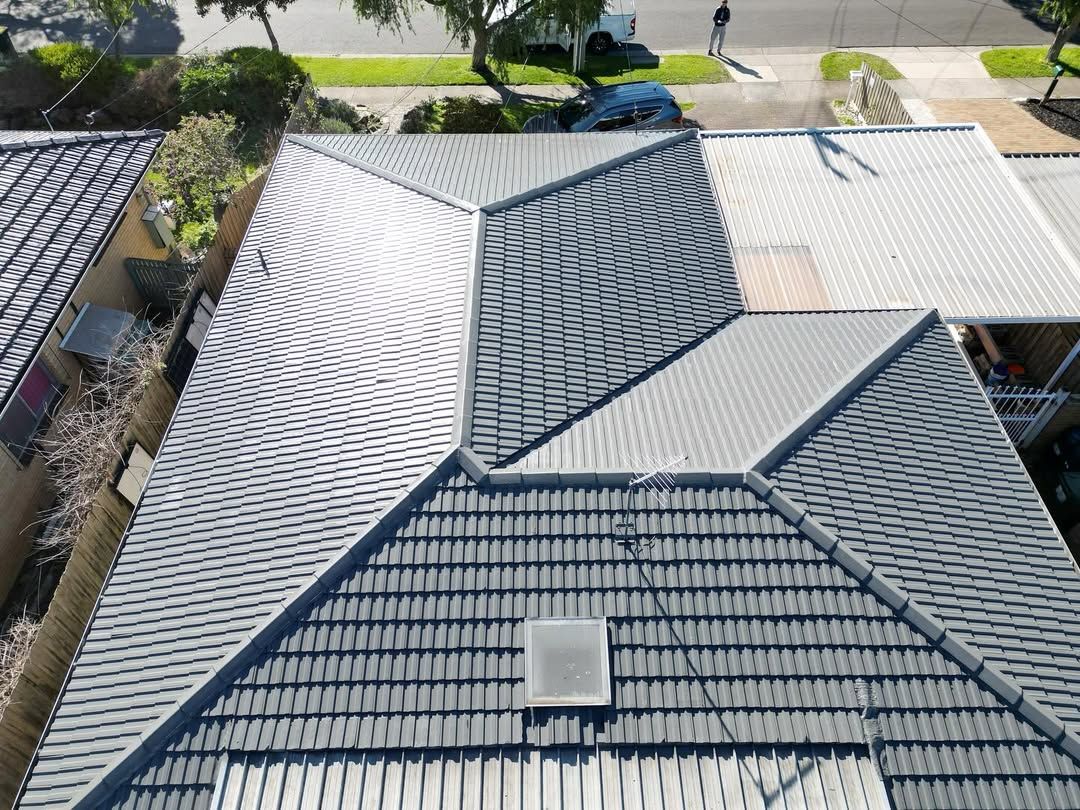





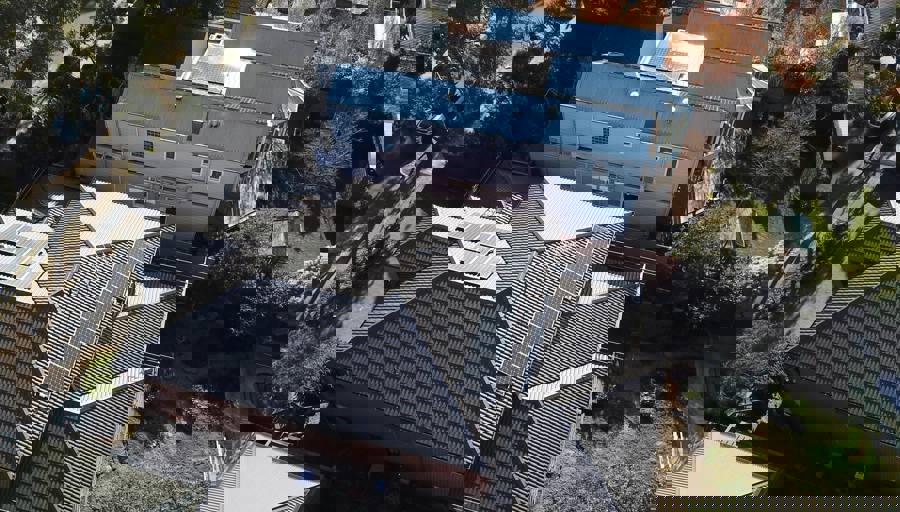
Regular roof inspections are essential to maintaining the health, safety, and value of your home. A well-maintained roof prevents water damage, protects your property from harsh weather, and extends the lifespan of your roofing materials. Whether you are planning roof restoration in Melbourne or just want to ensure your roof remains in top condition, following a systematic inspection process can save you time, money, and stress. This blog outlines nine easy steps to inspect roof effectively, whether you hire a roofing company in Melbourne.
How Can You Inspect Your Roof in 9 Simple Steps?
A thorough roof inspection helps identify potential damage, leaks, or wear before they turn into costly repairs. To make the process easier and more effective, here are some of the steps that can be followed:
1. Prioritise Safety
The first rule of any roof inspection is safety. Roofing work can be dangerous, so it is crucial to take proper precautions. Always inspect your roof during dry, calm weather and avoid windy or rainy days. Use a sturdy ladder and ensure it is positioned on level ground. Wear protective gear such as gloves, non-slip shoes, and a helmet. If possible, have someone assist you during the inspection to reduce the risk of accidents. Remember, no roof problem is worth risking injury.
2. Conduct a Ground-Level Roof Check
Before climbing, start with a visual inspection from the ground. Look for obvious signs of damage, such as missing, cracked, or curled tiles. Check for debris on the roof, including leaves, branches, or moss, which can trap moisture and accelerate wear. Examine flashing around chimneys, vents, and skylights to ensure it is properly sealed and undamaged. Even from the ground, these observations can give valuable insights into potential roof problems.
Can you inspect a roof without climbing it?
Yes. If you do not own a ladder or are not comfortable climbing, a ground-level check can still tell you a lot. Walk the full perimeter of your home and look up from a few different angles, as damage is not always visible from directly below. Use binoculars for a closer look at tiles, flashing, and gutters without leaving the ground. Check from any upstairs windows that face the roofline. Look for obvious warning signs such as sagging, missing tiles, or debris build-up. A ground-level check will not replace a full inspection, but it is a safe way to catch major problems early and decide whether it is time to call a professional.
3. Inspect Tiles Up Close
Climb the roof safely to conduct a closer inspection of your roofing materials. Look for:
- Cracked or broken tiles
- Granule loss (small pieces in gutters indicating ageing tiles)
- Sagging or uneven areas
Granule loss, in particular, is a common sign that your tiles are nearing the end of their life. Detecting damage early allows you to fix minor issues before they turn into costly repairs. A home roof inspection at this stage helps maintain the roof’s integrity and protects your property from water leaks.
4. Examine Roof Flashing and Penetrations
The most common places for leaks are around areas in the roof that penetrate it, such as around the chimney or vent flashing, pipe boots, or skylights. Make sure to check all flashings; look for cracks, rust, or gaps where water can get through. All seals around flashing must be watertight to prevent damage to the roof decking and ceilings on the interior. Damaged flashing may need to be repaired by a professional, especially if you are thinking about roof restoration in Melbourne.
5. Inspect the Gutters and Downspouts
A healthy roof depends on properly functioning gutters and downspouts. Clogged gutters can cause water to back up onto the roof, leading to leaks and water damage. During your inspection, check for:
- Debris or clogs in gutters
- Rust or cracks in the gutter material
- Alignment issues that prevent proper drainage
Ensure downspouts direct water away from the home’s foundation to avoid flooding and structural damage. Regular maintenance of gutters is a key part of any roof inspection routine.
6. Check for Signs of Water Damage Inside the Attic
A comprehensive roof inspection also requires examining the attic. Water leaks often as stains, mould, or mildew inside the attic. Inspect for:
- Wet or discoloured insulation
- Wood rot on the roof decking
- Signs of mould or mildew
Proper attic ventilation is critical to prevent moisture buildup, which can damage both the roof and insulation. Spotting early signs of leakage during an attic inspection can prevent costly repairs and prolong the lifespan of your roof.
7. Look for Structural Issues
Structural problems can compromise the safety and durability of your roof. Look for:
- Sagging areas that indicate weakened support
- Cracks in the decking or beams
- Loose or warped roofing components
If any structural issues are identified, it is highly recommended to contact a professional roofing company in Melbourne. Structural problems can worsen over time, leading to more significant and expensive repairs.
8. Check Roof Ventilation and Insulation
Adequate ventilation minimises moisture buildup, reduces heat stress, and lengthens the life of roofing materials. Check that your roof vents are clear and in working order. Having adequate insulation is also helpful in preserving appropriate indoor temperatures and minimising condensation accumulation. Be sure to check for damaged or missing insulation during your roof inspection, which may reduce the energy efficiency of your home.
9. Document Your Findings, and Create a Repair Plan
Once you complete your inspection, be sure to document and take detailed notes of your findings. Take pictures of damage and wear, and make a maintenance plan for homeowners' ease of reference later on. This will be useful if you contact a roofer from a roofing company in Melbourne to fix your roof. Fixing minor issues now can prevent you from having major repairs with your roof later, as well as extending the life of your home’s roof.
Inspecting your roof after installation or restoration
A roof inspection is not only for ageing roofs. It is just as important after a new installation, restoration, or repair, whether the work was done by us or another roofing company in Melbourne. This helps confirm the job was completed to a high standard before you sign off.
Once the work is finished, check that:
- Tiles are aligned, secure, and free of cracks or chips from installation
- Flashing around chimneys, vents, and skylights is properly sealed
- Gutters are clear of offcuts, screws, or other installation debris
- There are no loose fasteners, exposed nails, or gaps along ridge lines
- The roofline looks straight and even, with no obvious sagging
If anything looks incomplete or you are unsure, raise it with your roofer before final payment. A reputable roofing company in Melbourne will welcome the check and address any issues under their workmanship guarantee. At Melbourne Quality Roofing, all our work is backed by a 10-year workmanship guarantee, so you can be confident the job was done right.
Additional Tips for a Successful Roof Inspection
Here are some of the additional tips for the roof inspection:
- Schedule Regular Inspections: It is recommended to inspect your roof at least twice a year, once in spring and once in autumn, and after severe weather events. If you’re interested in learning more about how it works, here are 7 reasons to get a professional roof inspection.
- Know When to Hire Professionals: Some roof issues require professional expertise, especially for structural damage, extensive leaks, or full roof restoration.
- Keep Maintenance Records: Maintain a log of inspections, repairs, and maintenance activities for future reference and to assist with warranty claims.
- Be Aware of Warning Signs: Curling tiles, moss growth, leaks, and sagging are clear indicators that your roof needs attention.
Why Roof Inspections Are Important
A proper roof inspection not only identifies current issues but also helps prevent future problems. Neglecting roof maintenance can lead to leaks, water damage, and structural compromise. A proactive approach ensures:
- Safety: Prevents accidents and water damage
- Cost Savings: Early detection reduces expensive repairs
- Home Value Preservation: A well-maintained roof boosts property value
- Energy Efficiency: Proper insulation and ventilation reduce heating and cooling costs
Whether you are performing a DIY inspection or hiring a professional, understanding what a roof inspection entails and how to inspect a roof is essential for every homeowner.
Conclusion
Although inspecting the roof can seem overwhelming, following these nine simple steps makes the process efficient and easy. As we consider safety first and foremost, reviewing the tiles and flashing, gutters, attic, and structural components will all help with the review of your roof and prevent smaller issues from adding extra costs as they become more expensive repairs. In Melbourne, setting up a regular inspection along with a professional roof restoration will help ensure that your roof stays in better condition.
When it comes to maintaining a longer-lasting and more reliable roof, setting aside time for inspections is beneficial. People often question, "Is it worth the time?" Having the opportunity to do repairs yourself, or knowing there is a trusted roofing company in Melbourne to assist you, you'll find that making routine inspections is an effective way to protect your home and create confidence that your roof will protect you from Melbourne's varied weather conditions and climate.
For roof inspections and expert advice, consider Melbourne Quality Roofing. Our professional team will ensure that every home roof inspection provides the homeowner with assurance that their roof comes first, and also provides the homeowner with the assurance that it may ultimately service and extend the lifespan of the roofing system.
FAQs
1. How do I inspect my roof myself?
Start with a visual check from the ground for missing or cracked tiles and debris, then, if safe, climb the roof to check tiles, flashing, and ridge lines up close. Finish by checking gutters, the attic for water stains, and documenting anything you find. If you're not comfortable on a roof, a professional inspection is the safer option.
2. How can I inspect my roof without climbing on it?
Use binoculars from the ground to check for missing, cracked, or curled tiles, moss, or sagging areas. Check gutters and downspouts at ground level, and look inside the attic or roof cavity for water stains, mould, or daylight coming through gaps. This covers most visible warning signs without needing a ladder.
3. What should I look for in a roof inspection?
Cracked, broken, or missing tiles; granule loss in gutters; damaged flashing around chimneys and vents; gutter clogs or damage; water stains or mould in the attic; and any sagging or structural warping. Any of these signal it's time for a closer look or a professional assessment.
4 How often should I inspect my roof?
Twice a year is the general recommendation — once in spring and once in autumn — plus an extra check after any severe storm or major weather event.
5.Should I get my roof inspected after a new installation or restoration?
Yes. A post-installation inspection checks that flashing, ridge capping, and seals were completed correctly and confirms the work meets warranty standards before any issues have a chance to develop.
6. When should I hire a professional instead of inspecting my roof myself?
Bring in a professional for anything involving structural damage, extensive leaks, working at height on a steep or multi-storey roof, or if you're planning a full roof restoration — a licensed roofer can catch issues a visual check will miss.