





Oct 06, 2026
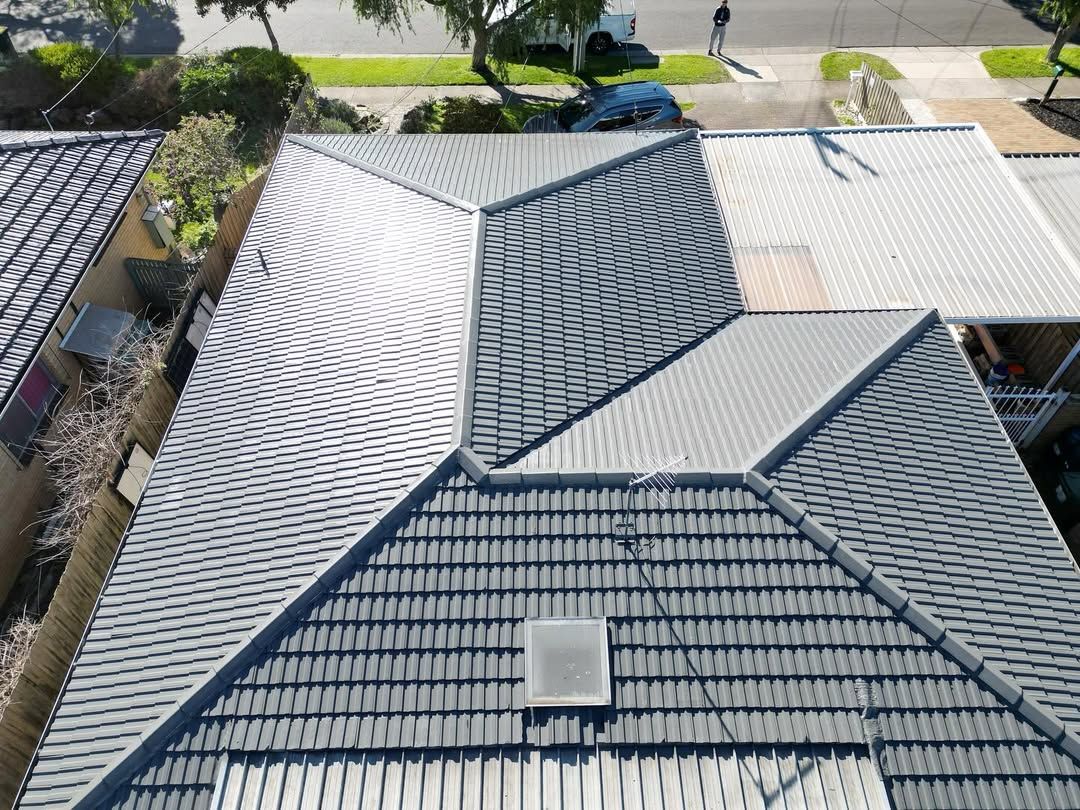
A spring roof inspection in Melbourne checks your whole roof for damage left behind by winter, from the tiles and gutters to the flashing, rooflines, coatings and roof cavity, so you know what needs fixing before the hot summer weather arrives. The best time to book a spring roof inspection is September, October, and November, while the weather is still mild and any winter damage can be fixed before summer.
An inspection in spring finds small problems while they are still cheap and easy to fix, before they turn into a leak during the first big spring downpour. Most of these problems can't be seen from the ground, which is why a proper inspection covers the whole roof. To make sure nothing is missed, a good roofing team follows a roof inspection checklist from start to finish. At Melbourne Quality Roofing, we go through a set checklist on every spring inspection, and after more than 35 years of working on Melbourne roofs, we know where winter damage usually starts.
In this blog, we will understand why spring is the right time to inspect, what is checked on your home's roof, from the tiles and gutters to the flashing, rooflines, coatings and roof cavity, and when your home's roof needs repairs or a restoration, so you know what to expect when you book.
Why Spring Is the Right Time to Inspect Your Home's Roof
Melbourne's winters bring sustained rain, cold nights and the occasional hailstorm, all of which put real pressure on tiles, pointing and flashing. According to the Bureau of Meteorology's long-term climate data for Melbourne, spring typically brings a noticeable jump in rainfall and storm activity compared with the depths of winter. That makes September and October the ideal window to find and fix winter damage before the next round of wet weather arrives.
Waiting until a storm finds the weak point in your home's roof usually means dealing with water damage inside the home as well as the roof itself. A roof inspection checklist Melbourne homeowners can rely on each spring is far cheaper than a reactive repair, and booking a professional roof inspection is the easiest way to catch problems early.
Here are the six areas a spring inspection covers on your home's roof after winter.
A proper inspection looks across the whole roof for cracked roof tiles, broken roof tiles and tiles that have slipped out of alignment. Winter frost and wind can loosen tiles that were only sitting loosely to begin with, and a single broken tile is often the entry point for the next leak.
What Gets Checked During a Spring Roof Inspection
Here are the six areas a spring inspection covers on your home's roof after winter.
Roof Tiles and Ridge Capping
A proper inspection looks across the whole roof for cracked roof tiles, broken roof tiles and tiles that have slipped out of alignment. Winter frost and wind can loosen tiles that were only sitting loosely to begin with, and a single broken tile is often the entry point for the next leak.
The ridge capping along the peak of the roof also needs a close look, since the mortar or pointing there dries out and cracks over time, letting water track down into the roof cavity. If more than a handful of tiles are cracked or broken, patching them one by one may not be the best option, particularly if the roof is older and due for a broader restoration.
Gutters clogged with autumn leaves and winter debris can't do their job once spring rain and storms arrive. Overflowing water often runs back under the roofline instead of away from the house. The gutters and downpipes should be cleared, the brackets checked to make sure they are still firmly fixed to the fascia, and any sagging sections where water is pooling instead of draining looked at.
It is also the right time to check Colorbond guttering and fascia for rust spots, corrosion or separation at the joins, since these small failures only get worse once heavier rain sets in.
Flashing around chimneys, skylights, vents and other roof penetrations is one of the most common sources of leaks, because it relies on a tight seal rather than solid material to keep water out. Lifted edges, rust, and gaps where the flashing has pulled away from the roofline are the main things to look for.
The roofline should be checked for any dips, sags or uneven sections. These can point to structural movement, water damage to the timber underneath, or ponding on flatter roof sections. Ponding water left sitting after rain is a strong sign that drainage falls need adjusting, and on a Colorbond roof it can speed up corrosion if it is not addressed.
Older tiled and metal roofs often show their age through fading, peeling paint or early rust spots rather than obvious damage, and these are easy to miss from ground level. A roof coating that has broken down no longer reflects heat or shields the material underneath as well as it should, which leaves tiles and metal more exposed to the next wet season.
Where the roof cavity is accessible, a look inside with a torch can show water stains, damp insulation or daylight coming through where it should not. These signs often show up well before a leak becomes visible on the ceiling below, so finding them during a spring inspection can prevent a much larger repair bill later.
It depends on how widespread the problems are: a few isolated issues usually need repairs, and wear across the whole roof usually needs a restoration. After an inspection, you get a clear answer on which one your roof needs.
Roof repairs Melbourne homeowners book are usually the right fix if you have one cracked or broken tile, a small leak in one spot, or a small patch of rust. The problem is fixed where it is, so you only pay for the work your roof needs.
A roof restoration Melbourne homes can rely on is usually better if several signs show up together, such as multiple cracked or broken tiles, visible sagging, rust spreading across metal roofing, faded or peeling paint, or water stains and damp insulation in the roof cavity. A restoration deals with these problems at once and gives the whole roof a fresh protective coating, which is usually more cost-effective over time than repeated repairs.
The cost and the best fix depend on what is found up on the roof, and an accurate cost only comes from an on-site assessment. The quickest way to know for sure is to get a professional roof inspection before the weather changes. Most homes benefit from an inspection at least once a year, ideally in spring, and older roofs or roofs under overhanging trees may need one twice a year.
A spring inspection is only useful if the person checking your roof gives you a straight answer about what it needs. At Melbourne Quality Roofing, we know which winter problems can wait and which can't. We are a family-run business with no salespeople, so the person who inspects the roof is the same person who carries out the work and stands behind it.
Conclusion
A spring roof inspection looks at the tiles and ridge capping, gutters, flashing, rooflines, coatings and the roof cavity, because a problem in any of these areas can lead to a leak.
A few small issues usually need only a repair, while wear across the whole roof is better handled with a restoration. Checking early keeps the cost down and the fix simple.To find out what your roof needs this spring, book a free roof inspection with Melbourne Quality Roofing!
FAQs
Gutters and Downpipes
Gutters clogged with autumn leaves and winter debris can't do their job once spring rain and storms arrive. Overflowing water often runs back under the roofline instead of away from the house. The gutters and downpipes should be cleared, the brackets checked to make sure they are still firmly fixed to the fascia, and any sagging sections where water is pooling instead of draining looked at.
It is also the right time to check Colorbond guttering and fascia for rust spots, corrosion or separation at the joins, since these small failures only get worse once heavier rain sets in.
Flashing and Roof Penetrations
Flashing around chimneys, skylights, vents and other roof penetrations is one of the most common sources of leaks, because it relies on a tight seal rather than solid material to keep water out. Lifted edges, rust, and gaps where the flashing has pulled away from the roofline are the main things to look for.
Whirlybirds and roof ventilators need checking too, since movement from wind can work fittings loose over a wet winter. If a whirlybird is not spinning freely or looks unstable, it needs attention, because a faulty unit can let water in exactly where it is meant to be venting hot air out.
Sagging, Ponding and Uneven Roof Lines
The roofline should be checked for any dips, sags or uneven sections. These can point to structural movement, water damage to the timber underneath, or ponding on flatter roof sections. Ponding water left sitting after rain is a strong sign that drainage falls need adjusting, and on a Colorbond roof it can speed up corrosion if it is not addressed.
According to the Insurance Council of Australia's guidance on storm damage, documenting these kinds of pre-existing issues before storm season can also make any future insurance claim more straightforward. These issues are rarely a quick fix, so it is best to flag them early and not leave them until a section of roof actually fails.
Rust, Peeling Paint and Faded Coatings
Older tiled and metal roofs often show their age through fading, peeling paint or early rust spots rather than obvious damage, and these are easy to miss from ground level. A roof coating that has broken down no longer reflects heat or shields the material underneath as well as it should, which leaves tiles and metal more exposed to the next wet season.
This is where a roof restoration earns its keep. A four-coat system uses one Maxi Primer coat and three coats of Regent brand water-based acrylic paint, available in 42 colours and safe for homes that collect rainwater. Colorbond roofs are matched with a three-coat specialist metal system. If you are weighing up colours, a colour visualisation tool and the Colorbond Colour Chart can help before you choose a shade.
Inside the Roof Cavity
Where the roof cavity is accessible, a look inside with a torch can show water stains, damp insulation or daylight coming through where it should not. These signs often show up well before a leak becomes visible on the ceiling below, so finding them during a spring inspection can prevent a much larger repair bill later.
After Inspection: How Do You Know If A Roof Needs Repairs or a Restoration?
It depends on how widespread the problems are: a few isolated issues usually need repairs, and wear across the whole roof usually needs a restoration. After an inspection, you get a clear answer on which one your roof needs.
When Repairs Are Enough
Roof repairs Melbourne homeowners book are usually the right fix if you have one cracked or broken tile, a small leak in one spot, or a small patch of rust. The problem is fixed where it is, so you only pay for the work your roof needs.
When a Restoration Is the Better Choice
A roof restoration Melbourne homes can rely on is usually better if several signs show up together, such as multiple cracked or broken tiles, visible sagging, rust spreading across metal roofing, faded or peeling paint, or water stains and damp insulation in the roof cavity. A restoration deals with these problems at once and gives the whole roof a fresh protective coating, which is usually more cost-effective over time than repeated repairs.
How to Find Out Which One You Need
The cost and the best fix depend on what is found up on the roof, and an accurate cost only comes from an on-site assessment. The quickest way to know for sure is to get a professional roof inspection before the weather changes. Most homes benefit from an inspection at least once a year, ideally in spring, and older roofs or roofs under overhanging trees may need one twice a year.
Why Choose Melbourne Quality Roofing
A spring inspection is only useful if the person checking your roof gives you a straight answer about what it needs. At Melbourne Quality Roofing, we know which winter problems can wait and which can't. We are a family-run business with no salespeople, so the person who inspects the roof is the same person who carries out the work and stands behind it.
If your roof needs more than repairs, every full restoration comes with a 10-year written workmanship guarantee. More than 245 Melbourne homeowners have also given us five-star reviews on Google.
Conclusion
Winter can leave cracks, blockages and loose fittings on a roof that looked fine in autumn, and spring is the best time to find them before the next round of wet weather.
A spring roof inspection looks at the tiles and ridge capping, gutters, flashing, rooflines, coatings and the roof cavity, because a problem in any of these areas can lead to a leak.
A few small issues usually need only a repair, while wear across the whole roof is better handled with a restoration. Checking early keeps the cost down and the fix simple.To find out what your roof needs this spring, book a free roof inspection with Melbourne Quality Roofing!
FAQs
1. How often should I get my roof inspected in Melbourne?
Most Melbourne homes benefit from a professional roof inspection at least once a year, ideally in spring after winter weather has had its chance to cause damage. Homes with older roofs, recent storm exposure, or overhanging trees may need a check twice a year to stay ahead of problems.
2. What are the warning signs that my roof needs repairs, not just an inspection?
Cracked or broken roof tiles, visible sagging, rust on metal roofing, or water stains inside the roof cavity are all signs that repairs are needed rather than a simple check. If several of these signs appear together, it usually points to broader wear that a roof restoration will address more cost effectively than one off repairs.
3. Can I inspect my own roof, or should I always call a professional?
A visual check from the ground or a ladder is a reasonable starting point for spotting obvious issues like blocked gutters or loose tiles. Anything involving climbing onto the roof itself, checking flashing closely, or assessing structural sagging is safer and more accurate left to a professional roofing team.
4. Is spring really the best season for a roof inspection in Melbourne?
Spring is one of the best times because it lets you catch and fix any damage winter caused before Melbourne's spring storms and summer heat put further strain on the roof. Waiting until a leak appears during a storm usually means dealing with water damage inside the home as well as the roof repair itself.
5. How much does a roof restoration cost compared to ongoing repairs?
Costs vary depending on the size and condition of the roof, so an accurate figure only comes from an on site assessment. As a general rule, a full roof restoration addressing multiple issues at once is usually more cost effective long term than repeated one off repairs to the same ageing roof.
6. Does Melbourne Quality Roofing offer a guarantee on inspection related repairs?
Yes, every full roof restoration carried out by Melbourne Quality Roofing comes with a 10 year written workmanship guarantee and a free 12 month follow up inspection. This means we check our own work a year later as standard, not just when something goes wrong.Any staining, mould smell or damp insulation needs a proper assessment, since the source of a leak is not always directly above the stain.