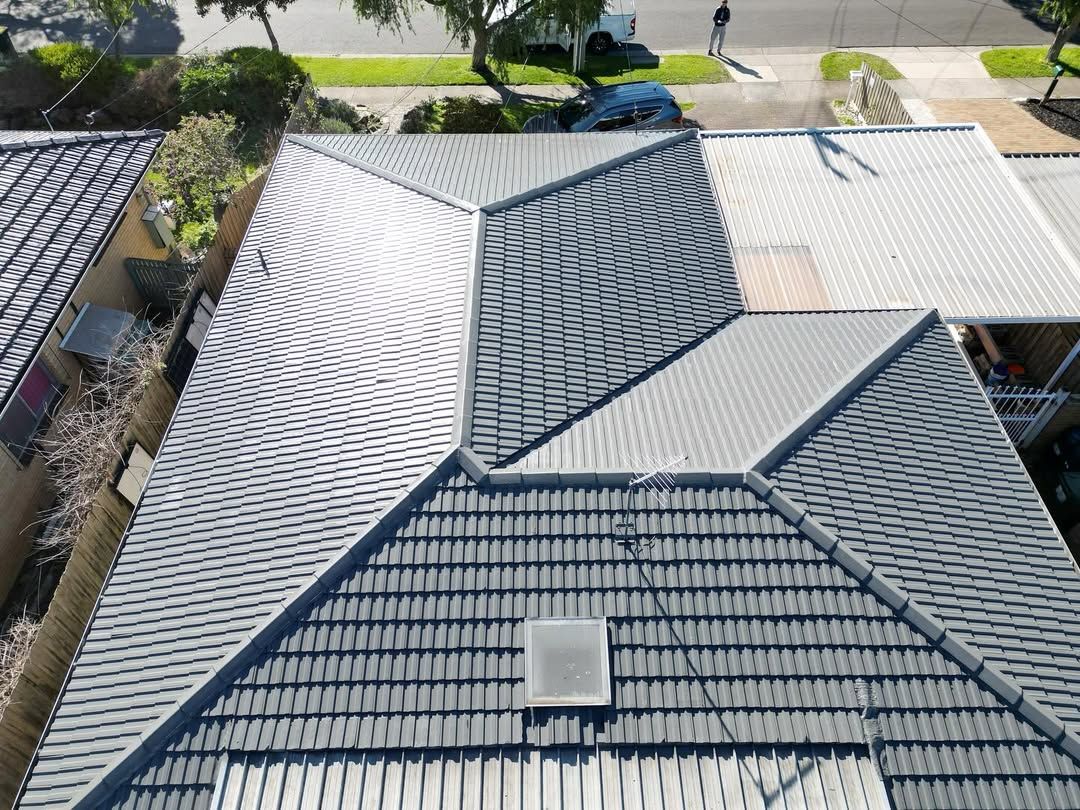





Roof restoration is one of the most effective ways to extend your roof’s lifespan, improve weather resistance, and restore your home’s value (selling point of view), especially in cities with unpredictable climate shifts like Melbourne. But unlike a new roof installation, restoration is a multi-layered process, and the timeline isn’t something you can define in a single sentence.
Most residential restorations typically take 2 to 5 days, while larger or more complex projects may run 8 to 10 days or slightly longer. The key point is this: restoration speed matters less than restoration sequencing. The job isn’t delayed because it is slow; it moves to drying, curing, and precision repair.
In this blog, we provide a brief on the complete roof restoration process, time allocation per stage, factors that influence project duration, and the long-term value of restoration for tile, terracotta and metal roofs in Melbourne.
What Determines How Long Roof Restoration Takes?
A typical home's roof restoration in Melbourne depends on:
- Roof Size (single storey vs double storey)
- Roof Material (tile, terracotta, Colorbond)
- Roof Condition (minor wear vs heavy deterioration)
- Weather & Moisture Levels (humidity, rain, and UV drying windows)
- Safety Access Requirements (scaffolding, harnessing, or roof anchors)
- Repair Complexity (ridge capping, re-bedding, flashing, broken tiles, leak points)
Melbourne’s coastal winds, temperature fluctuations, seasonal rain, and high lichen growth zones mean roofs age differently here than anywhere else in Australia. That also means roof restoration won't take the same time for two homes, even if they are on the same street.
What Are The Benefits of Roof Restoration
Roof restoration provides the ability to measure how well we improved things:
- Less leaks, moisture protection
- Protection for cracking tile
- Stabilisation of a ridge
- Optimise water flow through gutters
- Reduced thermal heat
- Prevent mould/algae
- Better adhesion of the coating
- UV protection on roof materials
- Improved curb appeal of the home
- Increased the life of the roof
- Lower maintenance costs over time
Tile roof restoration in Melbourne helps protect your home and extend your roof’s life without putting you through the inconvenience of a full rebuild.
Roof Restoration Process: Step-by-Step Timeline
Here’s a simple breakdown of what happens during a roof restoration and how long each stage usually takes:
1. Inspection & Structural Assessment
Every quality restoration begins with a detailed roof check. This helps the team understand the roof’s condition, spot any hidden issues, and plan the work correctly from the start.
This phase involves:
- Mapping leaks and moisture damage
- Identifying broken tiles or loose metal sheets
- Checking ridge integrity
- Assessing flashings and attachments
- Gutter and downpipe blockages
- Roof bedding wear and pointing erosion
- Mould, moss or lichen density
Most companies complete this within half a day.
2. Roof Cleaning & Surface Preparation
This step removes contaminants that shorten roof's lifespan.
Cleaning includes:
- High-pressure wash or soft wash
- Stripping algae, lichen, dust, salt residue
- Clearing gutter lines
- Removing leaf or debris build-up
- Preparing the surface for bonding
Lichen removal can sometimes take longer for neglected tile roof restoration in Melbourne projects because spores aggressively root into porous tile surfaces.
3. Tile, Flashing, Ridge and Sheet Repairs
Repairs vary based on the material. This may include:
- Replacing cracked or broken tiles
- Re-aligning displaced metallic sheets
- Repairing valley irons and flashings
- Fixing vent components
- Repairing skylight seams
- Re-bedding ridge caps
- Re-pointing ridge joints
Contractors select durable materials at this point, making sure they closely match the current roof tiles to maintain a consistent look.
4. Sealing, Bonding Coat, Primer and Protective Layers
This phase is the backbone of restoration durability. It involves:
- Applying the sealer coat
- Laying bonding agent
- Roof priming
- Polymer membrane coats (if used)
- Waterproofing roof bedding joints
- Strengthening ridge capping channels
Products from trusted brands are often used in high-quality projects because they offer superior substrate adhesion and climate-resilient UV stability.
Between each coat, a minimum drying time is required; this is why sequencing matters more than speed.
5. Two-Coat or Four-Coat Roof Painting System
If painting is included:
- Base coat application
- Top coat application
- Optional 4-coat heat-reflective systems
Reflective pigments reduce heat stress and assist with roof longevity, contributing to the lifespan of a roof dramatically. Light-reflective coatings may add hours, but they reduce long-term thermal degradation.
6. Final Roof Review & Site Cleanup
Final checks include:
- Verify that the completed roof coating has a consistent appearance and is free of any imperfections.
- Check that all bedding joints have been securely sealed and are adequately fastened.
- Ensure all gutters and downspouts are clear of debris and working efficiently.
- Clear away any debris left in the area where work was done.
- Make minor touch-ups to ensure the completed roof has an aesthetic, finished appearance.
Average Restoration Duration by Roof Type
|
Roof Type |
Typical Timeline |
|
Cement tile roof restoration |
4 to 5 days |
|
Terracotta tile roof restoration |
3 to 4 days |
|
Colorbond / metal roof restoration |
2 to 4 days |
Homes using terracotta or concrete tiles often require more time due to careful handling.
Suburbs across Melbourne , from the CBD to residential belts , rely on restoration services including specialists for Roof Restoration in Melbourne who offer end-to-end roof lifecycle improvements.
If you want to understand how these timelines influence pricing, you can read our detailed guide here: How Much Does a Roof Restoration Cost?
Tile Roof Restoration:Why It Takes Time
Tile roof restoration isn’t labour-heavy, it is treatment-heavy. Unlike metal sheets, tiles:
- Hold more moisture in micro-fractures
- Allow lichen to embed deeper
- Need individual tile alignment checks
- Require slow-cure bedding during ridge restoration
Many generic blogs disregard this nuance, but Melbourne roofs often undergo higher fungal and lichen colonisation due to humidity and sea-salt air, particularly in southern postcodes.
Hence, tile roof restoration in Melbourne timelines are symptoms of precision, not delay.
Lifespan of a Roof: How Restoration Alters the Equation
Before restoration, an ageing roof in Melbourne may last 15 to 20 years if maintained irregularly. After proper restoration for tile roofs and Colorbond roof restoration, including moisture resealing and membrane coats, many roofs add another 10 to 15+ years of durable life, depending on environmental exposure.
Restoration improves:
- Tile density protection
- Ridge joint sealing
- Flashing durability
- UV surface resistance
- Weatherproofing layers
That directly contributes to increasing the lifespan of a roof, minimising the frequency of reconstruction or replacement.
Is Roof Restoration Worth It?
Yes, but not because it looks good. The real value lies in:
- Strengthening weak zones before leaks worsen
- Minimising water ingress and timber stress
- Increasing roof thermal stability
- Avoiding costly full-roof changeovers
- Enhancing resale perception and market positioning
- Improving safety integrity in sloped or coastal wind zones
- Prolonging the lifecycle at a fraction of the roof replacement cost
For many Melbourne homes, roof restoration is absolutely worth it, but its value is realised when done professionally, not rushed.
Conclusion
For most Melbourne homes, roof restoration typically spans 2 to 5 days, cement tile roofs generally take 4 to 5 days, terracotta roofs around 3 to 4 days, and Colorbond roofs between 2 to 4 days. But the true value isn't in how fast the work is completed, it's in how carefully each stage is sequenced.
The drying time between coats is intentional, the repair phase is highly precise, and the coating schedule is structured to maximise durability rather than speed.
When done professionally, roof restoration doesn’t just refresh the appearance of your home; it strengthens the structure, improves weather protection, extends the lifespan of the roof, and reduces long-term maintenance costs.
In simple terms, roof restoration isn’t just time spent fixing a roof; it’s time invested in protecting your Melbourne home for years to come.
FAQs
1. How long does roof restoration usually take?
Most residential roof restorations in Melbourne take 2 to 5 days, while larger or complex projects may take up to 10–12 days, depending on roof type, damage, and weather conditions.
2. What factors affect the duration of a roof restoration?
Key factors include roof size, material (tile, terracotta, Colorbond), roof condition, weather, safety access, and repair complexity. Melbourne’s coastal humidity and seasonal rain can also extend restoration time.
3. Can roof restoration improve energy efficiency?
Yes, Modern roof coatings, including cool or heat-reflective coatings, reduce heat absorption, lower indoor temperatures, and improve overall energy efficiency, making homes more comfortable and cost-effective.
4. Is roof restoration better than a full roof replacement?
For most Melbourne homes, yes. Restoration strengthens weak areas, prevents leaks, extends roof life by 10–15+ years, and is more cost-effective than a full replacement.
5. How can I ensure my roof restoration is done professionally?
Hire an experienced, licensed contractor who follows proper inspection, cleaning, repair, sealing, and coating processes, uses high-quality materials, and allows sufficient drying and curing time for long-lasting results.